
ev charger bay area home value
EV Chargers and Bay Area Home Value: What Buyers Should Actually Model
The EV charger conversation is not just about resale value. In the Bay Area, it is a perfect example of why housing decisions need local math, infrastructure checks, and a system.
Last updated June 2, 2026. Educational planning guide, not lending, legal, tax, electrical, or real estate advice.
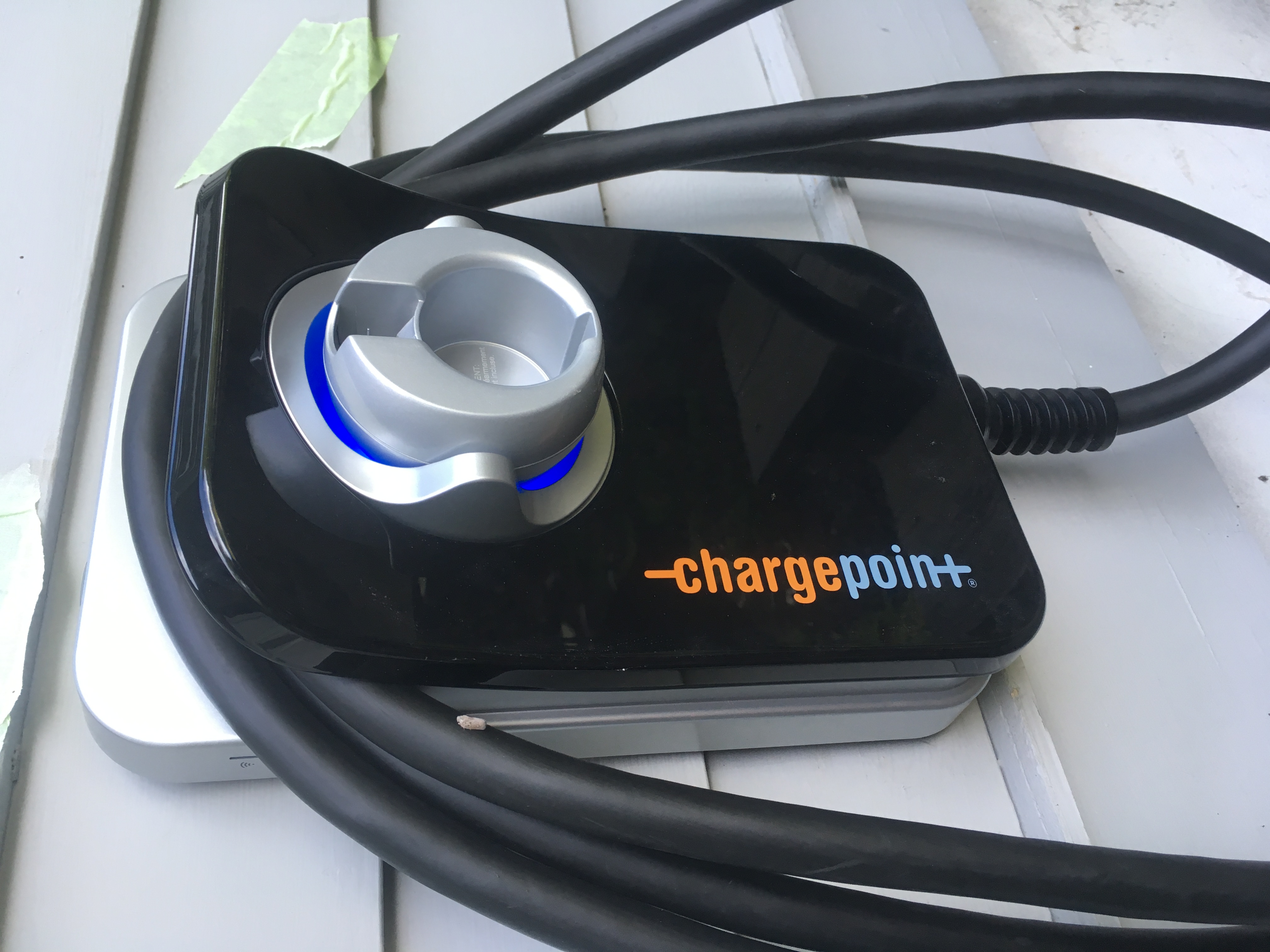
The San Francisco Chronicle recently reported that Bay Area real estate agents are seeing EV chargers move from a nice-to-have feature toward a serious buyer preference, especially for single-family homes where a buyer expects to pull into the garage and start charging on day one.
That story is useful because it captures something bigger than one gadget. Bay Area housing is full of features that look small in a listing photo and then become major cost, risk, and lifestyle questions after you move in. EV charging is one of the cleanest examples: the device on the wall might cost hundreds of dollars, but the real question is whether the home, panel, parking, HOA, and utility setup can support the life you are buying.
The BayNest read: do not price the charger. Price the system.
A Level 1 charger can use a normal 120-volt outlet, but it is slow. The California Energy Commission describes Level 1 as roughly 5 miles or less of range per hour of charging. Level 2 charging, which uses 208 to 240 volts, can provide roughly 14 to 35 miles of range per hour. That is the difference between "I can recover overnight" and "I am constantly planning around my car."
So yes, a Level 2 charger can matter. But BayNest exists because the headline number is rarely the number that matters. The charger hardware might be the least interesting part of the decision. Buyers should care about whether the electrical panel has capacity, whether trenching or conduit is needed, whether PG&E work is involved, whether permits are clean, whether the install was done by a licensed contractor, and whether the charger is tied to the right meter.
For buyers: turn the feature into a diligence checklist
When a listing advertises EV charging, do not stop at "has charger." Ask what kind. Is it Level 1 or Level 2? Is it permitted? What amperage? Was the panel upgraded? Is the charger included in the sale? Does the disclosure package mention electrical work? If you remove the seller's charger later, what infrastructure remains?
If the home does not have a charger, the question is not whether one could theoretically be added. In the Bay Area, most things are theoretically possible if you add enough money and patience. The useful question is what the probable path costs. For a single-family home with a nearby panel and garage, the answer may be manageable. For an older East Bay home that needs a panel upgrade, it can become a larger post-close project. For a condo, the answer can swing wildly based on where the meter, parking space, walls, lobby, garage, and HOA rules sit.
That is the mission of BayNest in miniature. We are not trying to tell you that one feature is always good or bad. We are trying to give buyers a repeatable way to convert fuzzy listing language into cash, risk, and tradeoff math.
For condo shoppers: EV charging can be a deal structure issue
The Chronicle piece correctly calls out multifamily complexity. A single-family garage is one world. A condo parking garage is another. California Civil Code Section 4745 generally limits unreasonable restrictions on EV charging in common-interest developments, but it also leaves room for approval processes, architectural standards, licensed installation, insurance, and owner responsibility for installation and electricity costs.
That means a condo buyer should not treat "California has a right-to-charge law" as the end of the analysis. The practical questions are still hard: is your spot deeded or assigned, how far is it from your meter, does wiring cross common area, has the HOA approved chargers before, does the building have an EV policy, and would the project trigger a broader electrical study?
This is why a cheaper condo can be more expensive than it looks. HOA dues, insurance, special assessments, parking, laundry, storage, and EV feasibility are not decorative details. They are part of the ownership model.
For sellers: reduce uncertainty, not just cost
If you already have a clean Level 2 installation, make it legible. Keep permits, contractor invoices, panel documentation, model details, and operating notes organized. A buyer does not just want to see a charger. They want confidence that the house can support the way they live.
If you do not have a charger, you may not need to install one before listing. But getting a quote can still help. A credible quote turns an unknown into a modeled expense. That can matter in a market where buyers are already juggling mortgage rates, closing costs, appraisal gaps, insurance, repairs, and move-in cash.
Bay Area sellers often focus on cosmetic prep because it photographs well. EV readiness is different. It may not make the listing prettier, but it can make the home feel easier to own.
Where the BayNest tool fits
This is exactly the kind of local wrinkle that generic housing advice misses. National advice might say "EV chargers can improve resale appeal." A Bay Area buyer needs a more specific question: "If this home needs $4,000 to $10,000 of electrical work after close, does my offer still make sense?"
Use the same mindset for every listing. Model the payment. Model the cash to close. Model reserves. Then add property-specific adjustments: electrical work, HOA risk, insurance surprises, commute costs, transit alternatives, childcare, and the upgrades that make the house actually work for your life.
If you want a spreadsheet-first version of that discipline, grab the Buyer Readiness Pro Calculator. It is built for Bay Area buyers who need to convert listing excitement into offer discipline.
Sources and refresh notes
Use these as starting points, then verify property-specific details with a licensed electrician, HOA documents, lender, agent, attorney, or tax professional before relying on any number.
- San Francisco Chronicle: EV chargers and Bay Area real estate demand
- California Energy Commission: EV charger definitions and Level 1/Level 2 charging rates
- California Civil Code Section 4745: EV charging stations in common-interest developments