
rent vs buy bay area calculator
Rent vs. Buy in the Bay Area: How to Calculate the Break-Even Point
How to model renting versus buying in the Bay Area using 10-year cash flow, equity, taxes, HOA, and investment assumptions.
Last updated May 31, 2026. Educational planning guide, not lending, legal, tax, or real estate advice.
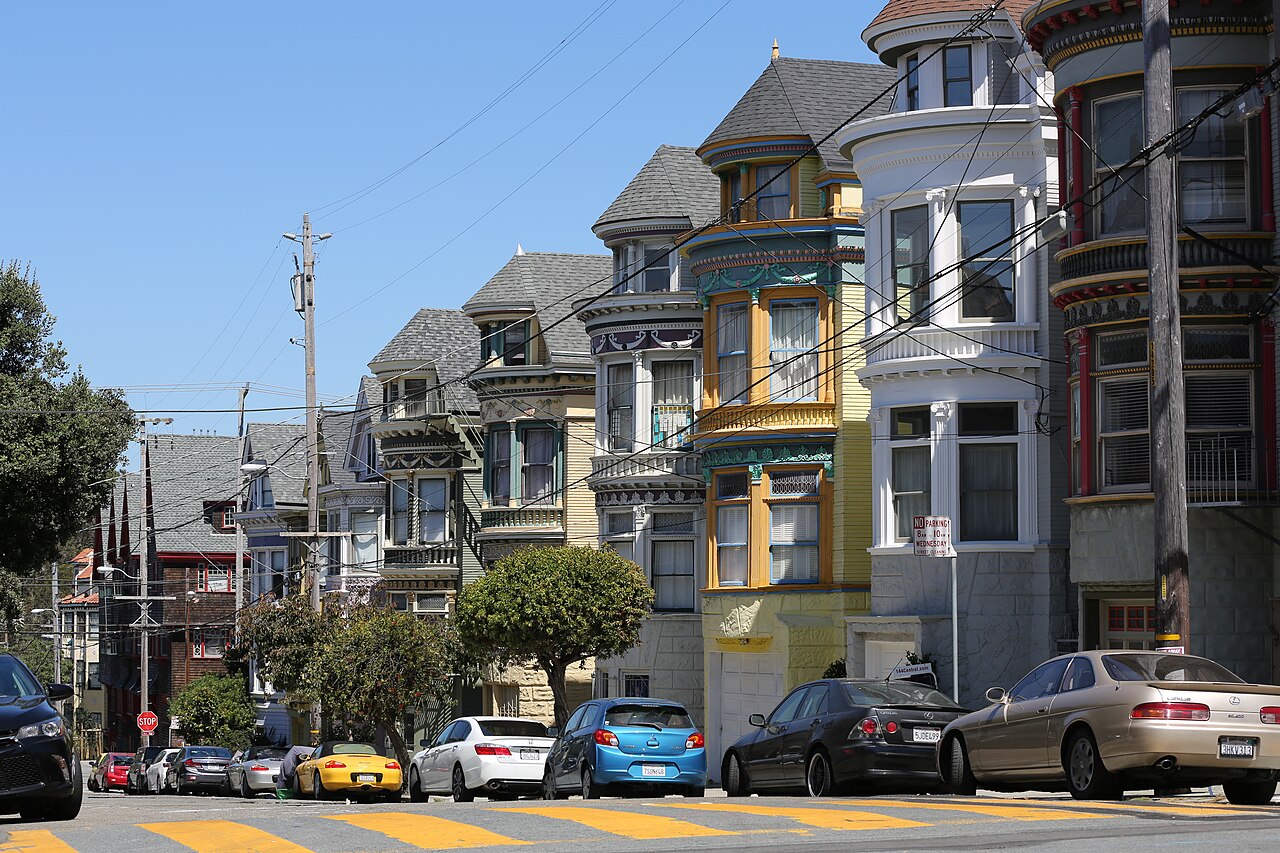
The Bay Area rent-vs-buy decision is emotional because rent feels wasted and ownership feels permanent. The math is more subtle. Buying converts cash into equity, but it also concentrates risk, adds transaction costs, and changes monthly flexibility. That is why the useful answer is not a slogan. It is a model you can update when the rate changes, a listing appears, or your cash assumptions move.
For first-time buyers and renters, the goal is to reduce ambiguity before the emotional part of the decision takes over. A good Bay Area housing plan should tell you what is comfortable, what is possible, and what is a hard no.
The answer is a range, not a magic number
The numbers below are planning guidance, not a substitute for a lender, attorney, CPA, or local agent. Treat them as a way to ask better questions and avoid rebuilding the same spreadsheet from scratch every weekend.
The Bay Area adds several local variables that national advice tends to flatten: city-level transfer taxes, high HOA dues, jumbo-loan underwriting, public equity compensation, startup paper value, rent control differences, commute costs, and the fact that two nearby cities can have completely different price floors.
That is why BayNest starts with constraints. First, identify your monthly capacity. Second, identify day-one cash. Third, compare those two limits against the actual cities and property types you would consider. A plan that only passes one of those tests is not ready yet.
A working framework
Use this checklist as the skeleton of the decision. It is intentionally practical because Bay Area housing decisions usually fail in the details, not in the headline advice.
- Model the owner path year by year: payment, tax, insurance, HOA, maintenance, appreciation, loan balance, and selling costs.
- Model the renter path with rent increases and investment growth on the cash not used to buy.
- Find the break-even year under base, upside, and downside appreciation cases.
- Stress-test job change, family change, and relocation risk before treating the break-even year as destiny.
What to verify before you act
Refresh the mortgage rate, property-specific insurance, HOA dues, county and city taxes, and the last three to six comparable sales before making a real decision. If you are renting, refresh lease terms, parking costs, utilities, deposit rules, and local tenant protections.
Also pressure-test your human assumptions. Will the commute still feel acceptable in February rain? Would the payment still work if bonus income drops? Does a school boundary, parking situation, or HOA rule change the answer? The best housing decision is not the one that looks cleanest in a screenshot. It is the one that still works on an ordinary Tuesday.
Where the BayNest tool fits
I built a tool for this because the same questions kept coming up for us and our friends: what can we afford, what city is realistic, when does renting win, and what should we do before an offer gets emotional?
If you want the spreadsheet/database version instead of rebuilding the logic yourself, grab the Rent vs. Buy Decision Engine. It is designed to turn this article into a working model you can actually update.
Sources and refresh notes
Use these as starting points, then verify property-specific details before relying on any number.
- Freddie Mac PMMS
- CalHFA programs
- Redfin Data Center
- Zillow Research Data
- California DOJ tenant resources